 Esperanto
 Shqiptare
 Euskara
 Zulu
Zulu
 Latinus
 Cymraeg
 தமிழ்
தமிழ்
 Slovak
 Slovak
 Afrikaans

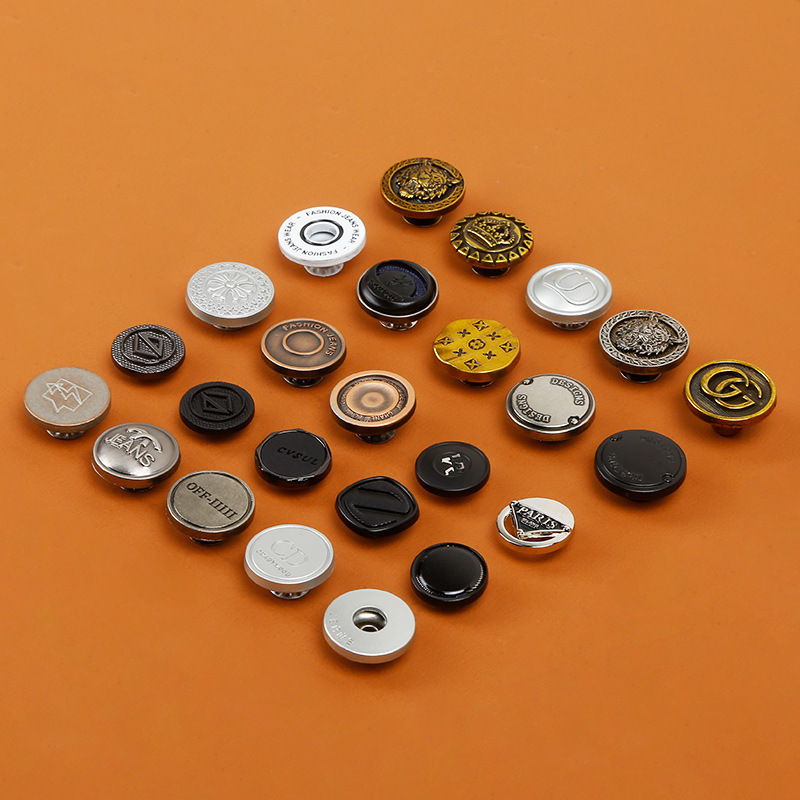
Introduction of clothing accessories hanging clock
Clothing accessory charms are typically made from high-quality metal, plastic, or alloy materials. Metal charms are sturdy and glossy, able to maintain their beauty for a long time. Plastic charms are lightweight and cost-effective, suitable for mass production. Alloy charms offer a combination of the advantages of metal and plastic, both durable and lightweight. The choice of these materials ensures the durability and aesthetics of the charms.
Time:
2024-07-25
Source:

Clothing accessory charms are typically made from high-quality metal, plastic, or alloy materials. Metal charms are sturdy and glossy, able to maintain their beauty for a long time. Plastic charms are lightweight and cost-effective, suitable for mass production. Alloy charms offer a combination of the advantages of metal and plastic, both durable and lightweight. The choice of these materials ensures the durability and aesthetics of the charms.
Charms come in a diverse range of designs, from simple to elaborate. They often feature intricate patterns, textures, or inscriptions to add fashion and personalization to clothing. The shapes of charms vary as well, such as round, heart-shaped, or animal-themed, allowing for selection based on different clothing styles.
Charms are suitable for a wide range of clothing items, especially those that require added decoration and fashion sense. They are commonly used on jackets, sweaters, scarves, bags, and more, adding a unique style and personality to the pieces.
The manufacturing process of charms is intricate, involving material cutting, stamping, grinding, polishing, painting, and more. These processes ensure the precision and aesthetics of the charms, while also enhancing their durability.
When pairing charms with clothing, consider the color, style, and personal preference. Select charms that coordinate with the color of the clothing or provide a contrast to highlight the features and personality of the outfit. Additionally, choose charms with different shapes and patterns based on personal taste to showcase unique fashion sense.
Cleaning and maintenance of charms are relatively straightforward. Regularly wipe the surface of the charm with a soft cloth to remove dust and dirt. Avoid using chemical cleaners or excessive force to prevent damaging the surface. When not in use, store the charm in a dry and ventilated place to prevent moisture and oxidation.
With the evolving fashion trends, the charm market is also continuously progressing. Personalization, fashion, and diversity have become the main trends in the charm market. Consumers have placed higher demands on the materials, design, and functionality of charms, while also paying more attention to environmental protection and sustainability.
Related News
![[BUT button] Shines at 2024 Sri Lanka International Fabrics & Accessories Expo, Button Designs and Quality Highly Praised](https://omo-oss-image.thefastimg.com/portal-saas/pg2024071119050350740/cms/image/8c6cf6b0-d4d6-4c3c-859d-1c6a53eccd7e.webp "[BUT button] Shines at 2024 Sri Lanka International Fabrics & Accessories Expo, Button Designs and Quality Highly Praised")
2024-08-07 00:00
[BUT button] Shines at 2024 Sri Lanka International Fabrics & Accessories Expo, Button Designs and Quality Highly Praised
From August 7 to August 9, 2024, BUT button, a leading company in the button industry, successfully participated in the Sri Lanka International Fabrics & Accessories Expo, held in Colombo, the capital of Sri Lanka.
2024-07-25 17:39
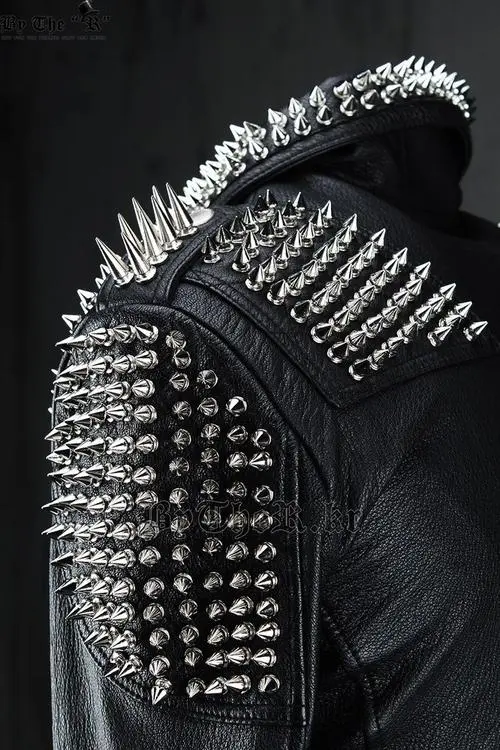
Introduction to rivets for clothing accessories
The rivets used as clothing accessories are made of various materials, including stainless steel, copper, iron, and alloys. Stainless steel rivets are noted for their corrosion resistance and high strength, while copper rivets exhibit a superior texture and warm color. The different materials give the rivets distinct textures and styles in clothing.


Leave a message
Contact Information
Quanzhou Yingxin Hardware Button Technology Co., Ltd
Wechat:13110285366
No.66 Jingye jingye Road,Shishi city, Fujian Province, China -362700
Website